Design work can move between a desk, a sketchbook, and hands-on experiments. These 12 gift ideas for designers include practical workspace pieces and supplies for exploring ideas on paper and canvas.
Use their usual tools and work habits as a guide: a desk upgrade suits someone with a dedicated studio, while portable supplies can fit a designer who likes to sketch away from home.
12 Gift Ideas for Designers and Creative Work
FLEXISPOT EN1 One-Piece Standing Desk, 48 x 24 in, Black Walnut
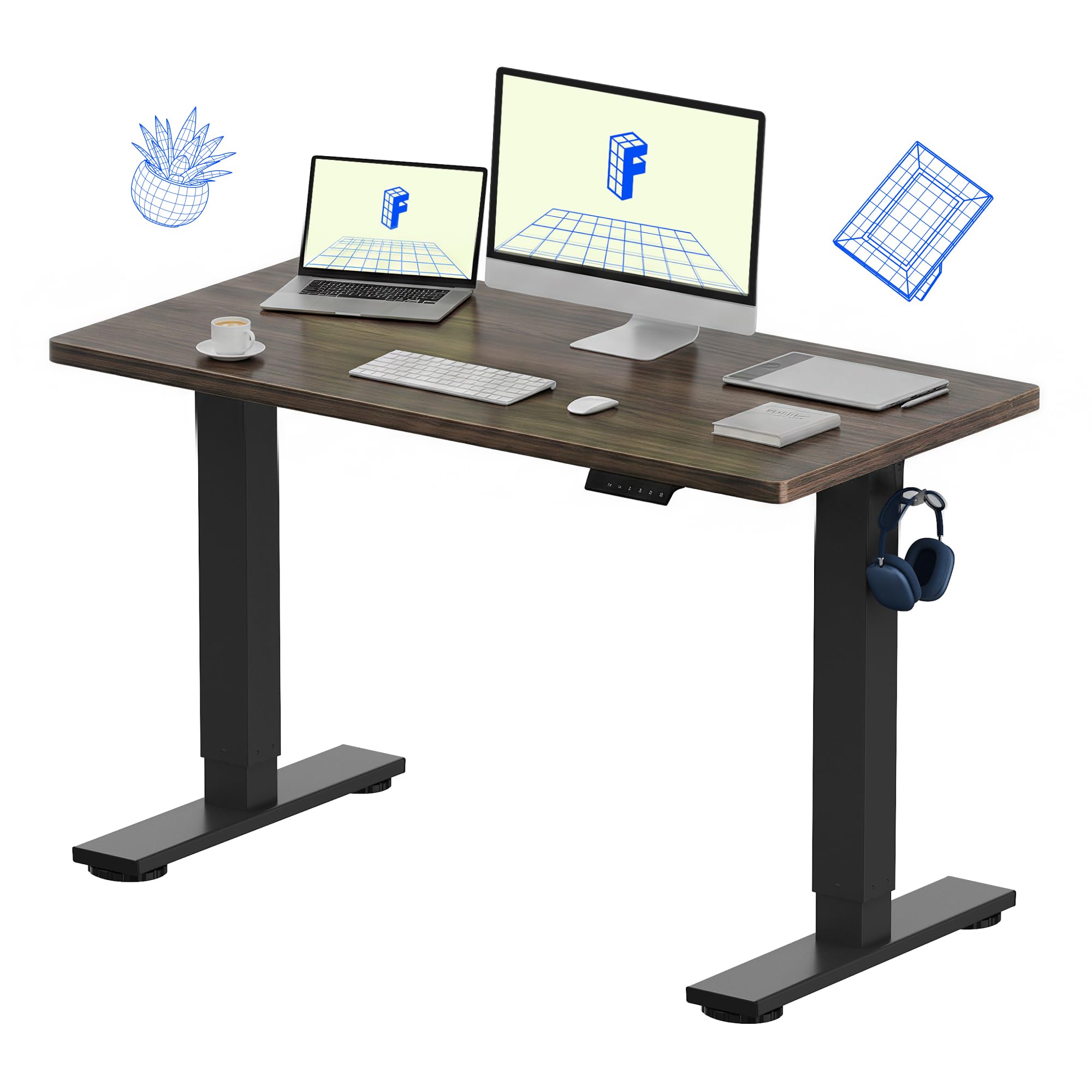
- The seamless one-piece desktop is designed for a stable workspace.
- Electric height adjustment includes four memory presets.
- Its spacious surface leaves room for a laptop, monitors, and accessories.
Best Gift For: A designer setting up a home office or creative studio with a dual-monitor workspace.

U.S. Art Supply 162-Piece Mega Wood Box Artist Kit
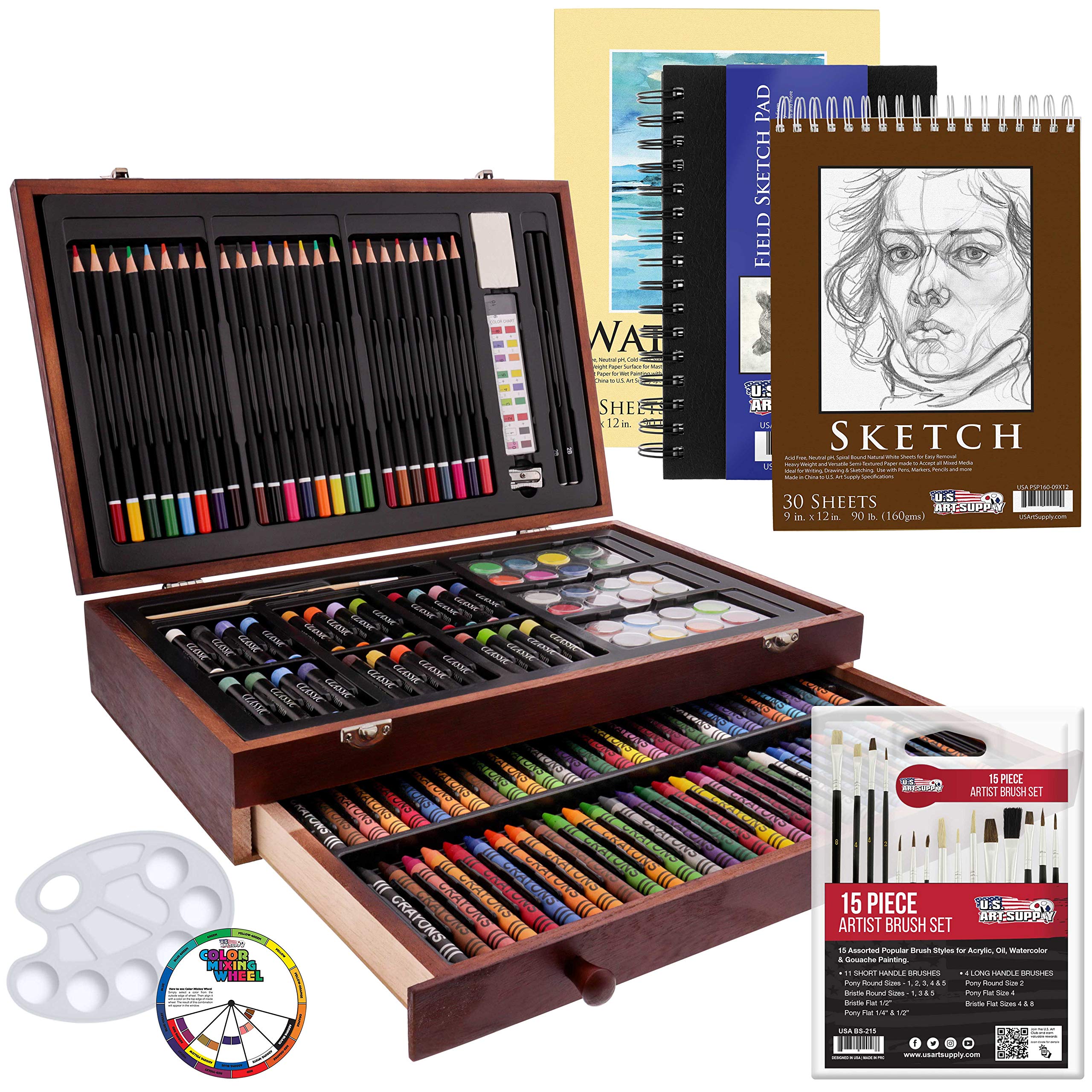
- The kit combines watercolor paints, oil pastels, colored pencils, and crayons.
- A wooden case and storage drawer organize the art materials.
- It includes separate watercolor and sketch paper pads.
Best Gift For: An aspiring artist or art student who wants a variety of materials for painting and drawing.
U.S. Art Supply 11 x 14 in Sketchbooks, 2-Pack
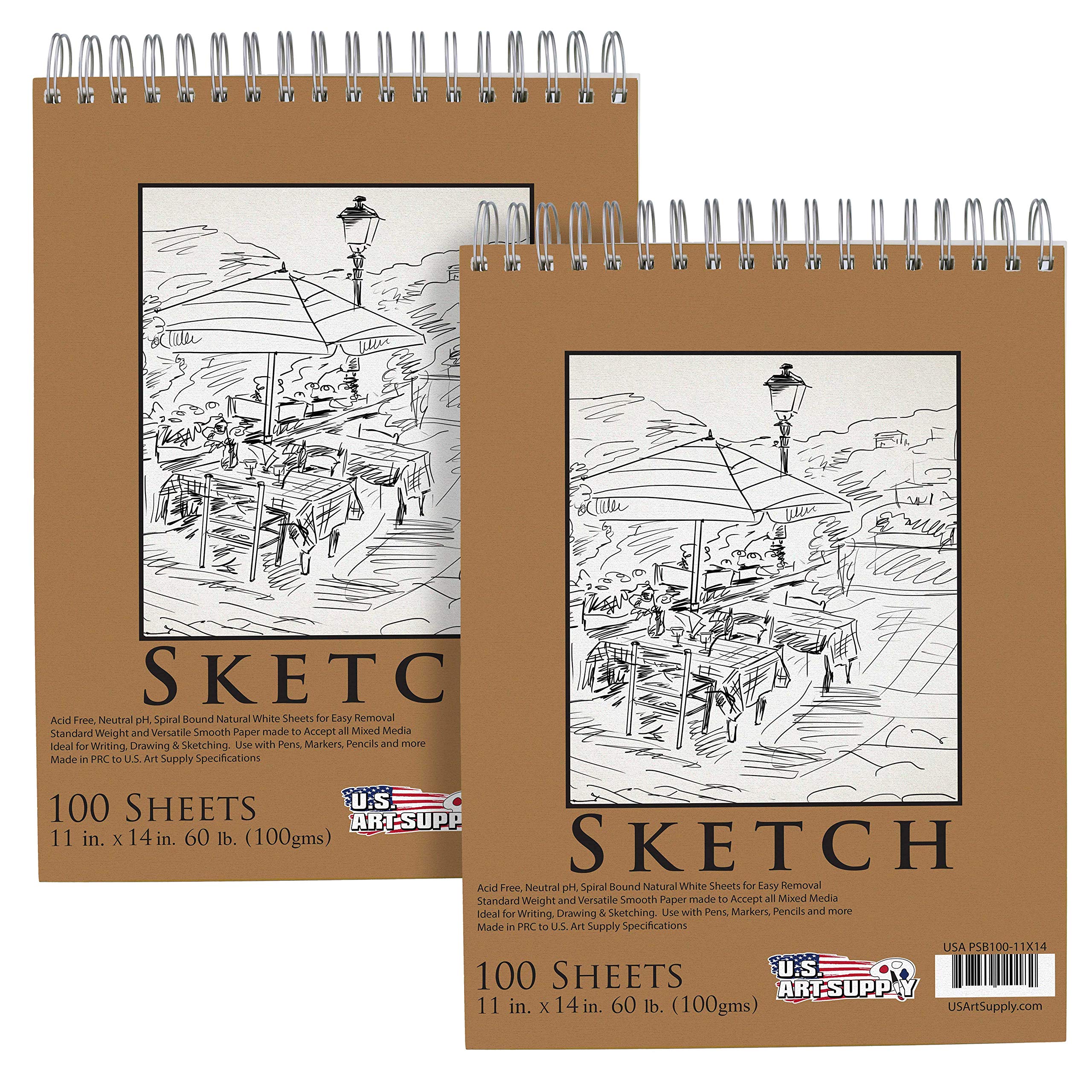
- The two pads provide 200 sheets in total.
- The acid-free drawing paper suits most dry media.
- Top spiral binding makes pages easy to turn.
Best Gift For: An artist or student sketching, drawing, or practicing with dry media.
U.S. Art Supply 23 x 26 in Artist Sketch Tote Board
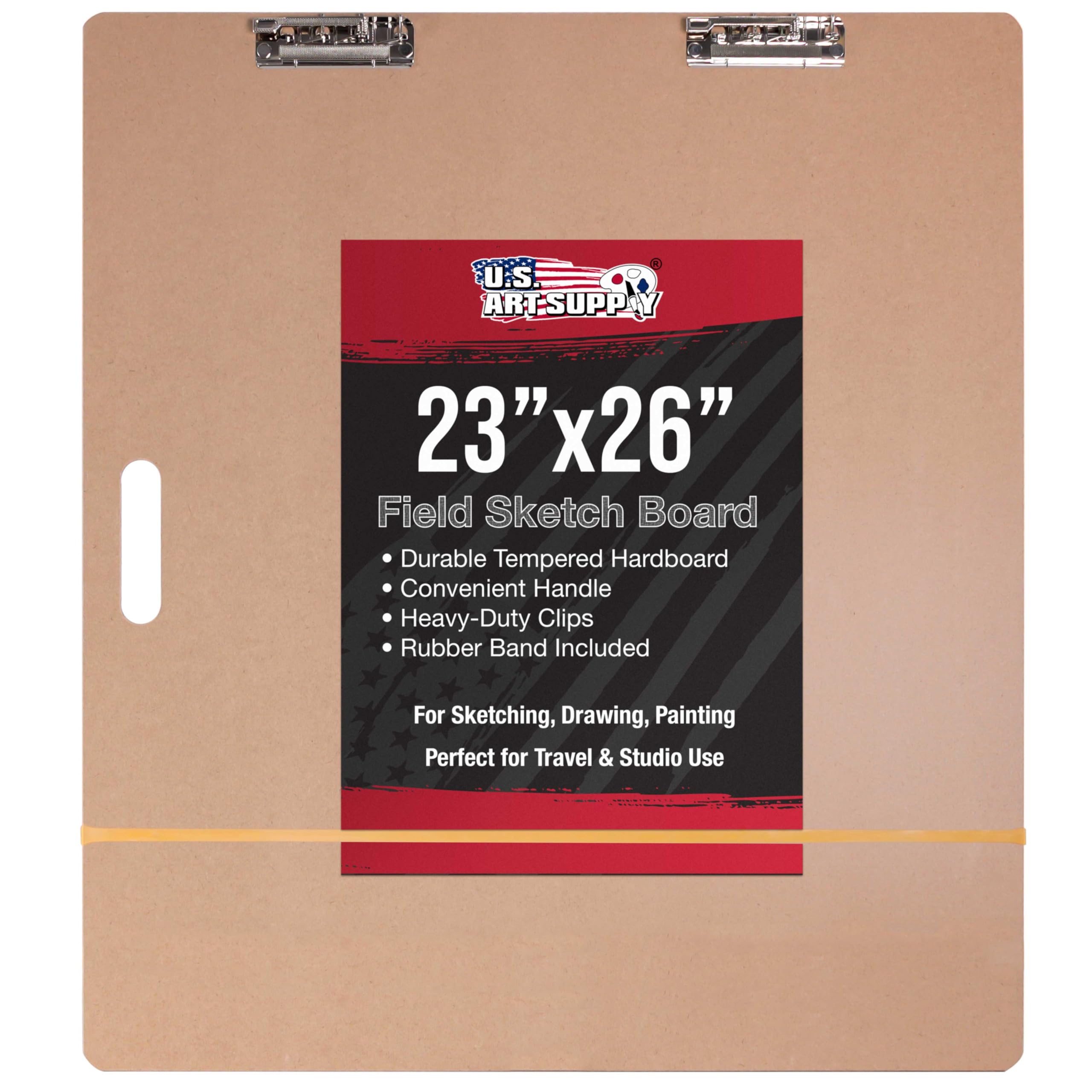
- A built-in handle makes the board easier to carry.
- A spring-loaded clip and elastic band hold paper or canvas in place.
- The hardboard provides a sturdy surface for sketching, drawing, and painting.
Best Gift For: A designer who takes sketching supplies to classes, outdoor sessions, or a studio.
Whitelines Graph Ruled Notebooks, 3-Pack

- The pack contains three spiral notebooks with graph paper.
- The paper has a light gray tint.
- The app can remove the paper background from a scan.
Best Gift For: A designer who likes to take notes or draw by hand and share digital copies.
Primrosia 60 Dual Tip Marker Pens
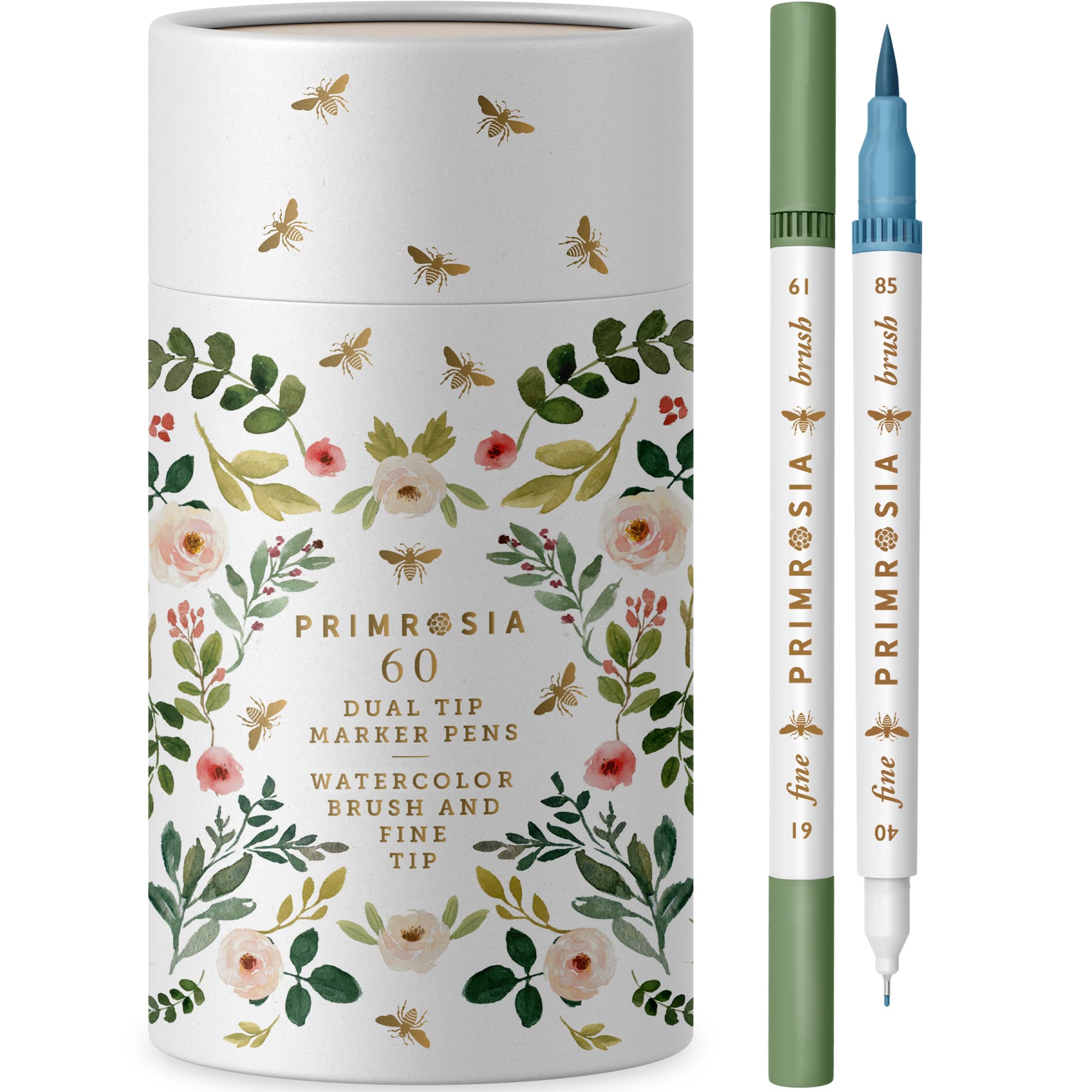
- Each marker pairs a brush tip with a fineliner.
- The set offers 60 color options.
- Adding water can create a watercolor effect on suitable paper.
Best Gift For: A designer who uses brush strokes and fine outlines in sketching, illustration, or lettering.
U.S. Art Supply 12-Color Iridescent Acrylic Paint Set
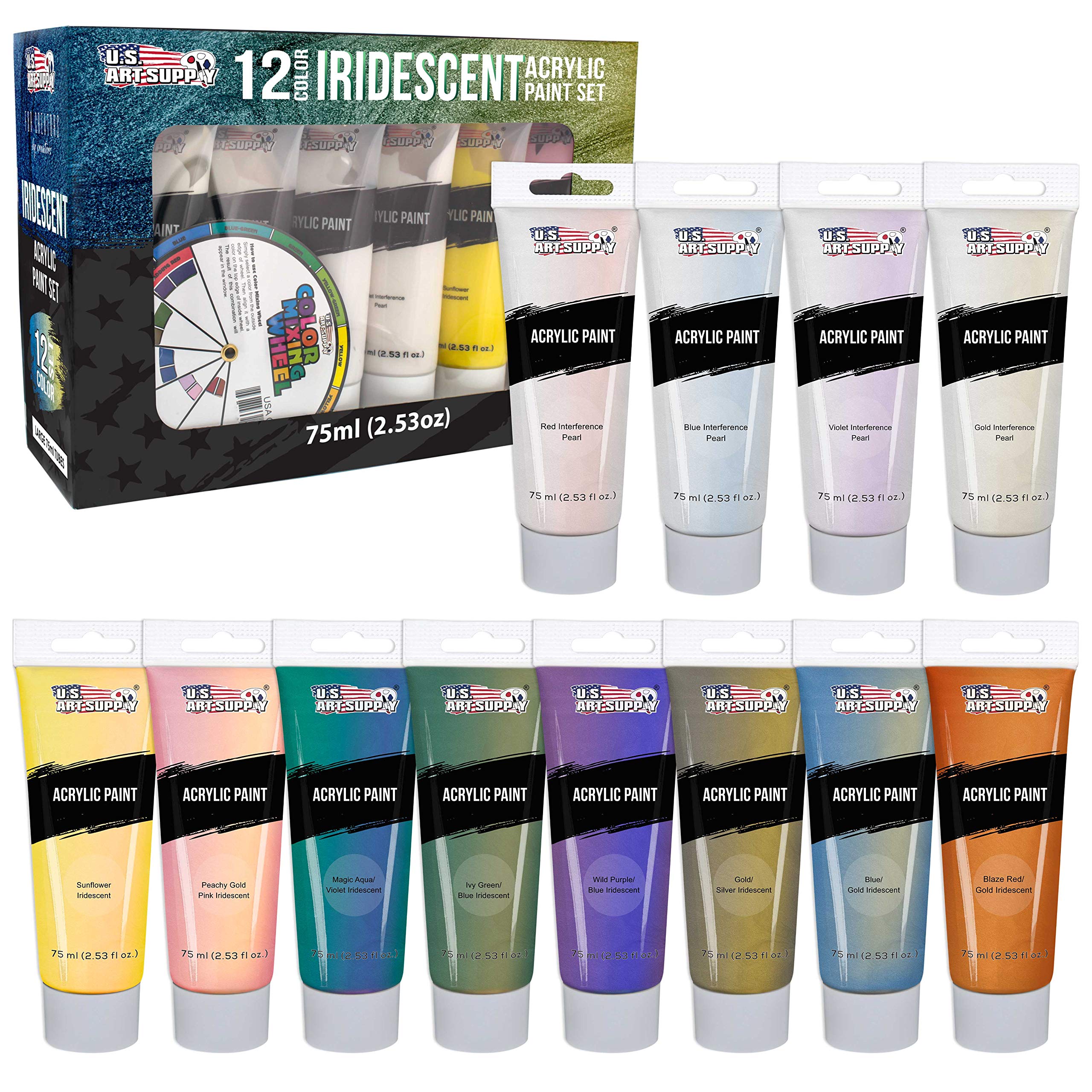
- The set has 12 iridescent acrylic colors.
- The paints have color-shifting properties.
- They are suited to surfaces including canvas, wood, fabric, and paper.
Best Gift For: A designer or artist who wants to explore iridescent effects in painting.
Mr. Pen Acrylic Paint Brushes, 100-Pack
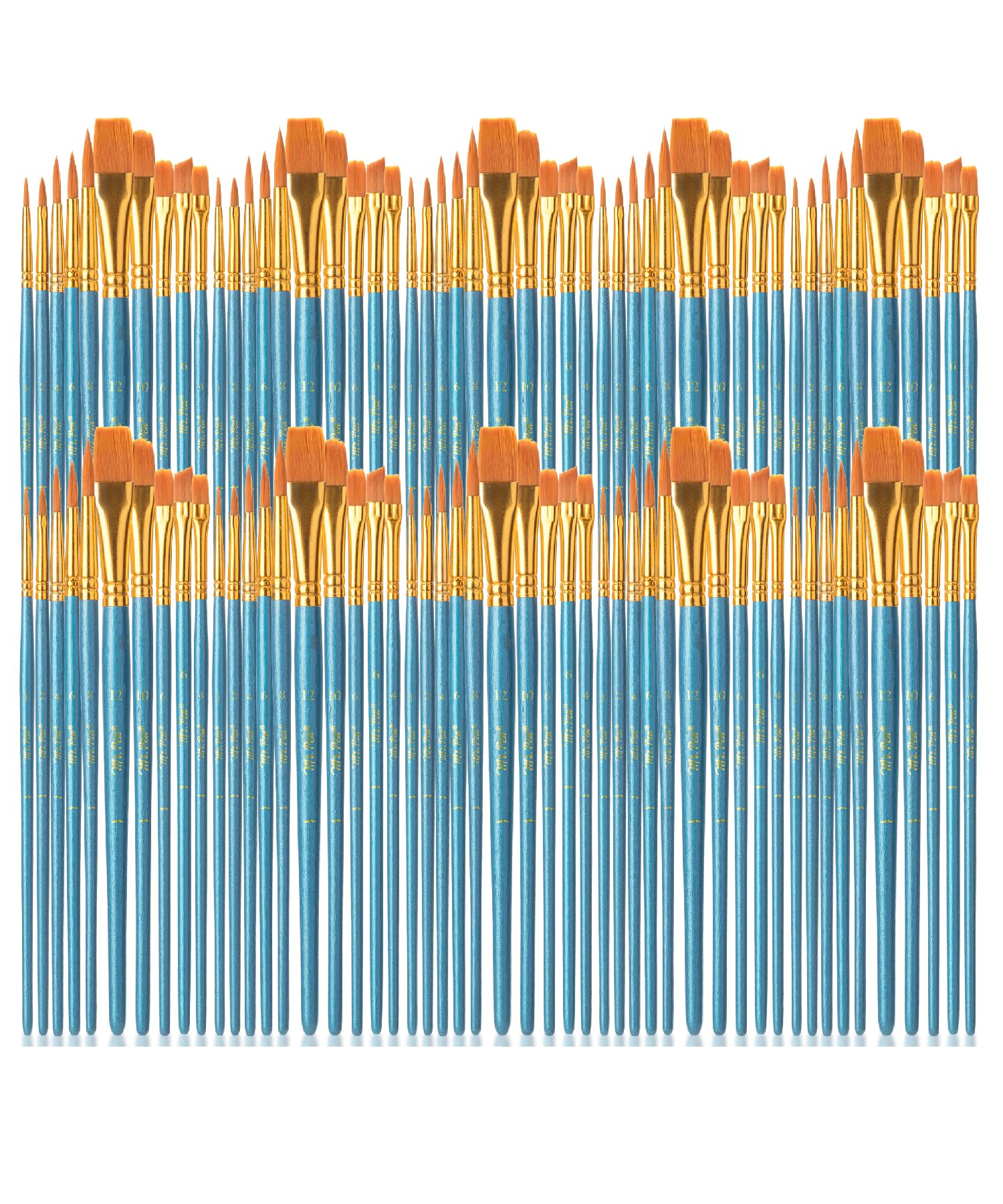
- The set includes 100 brushes across ten sets.
- Different shapes and sizes support fine details and broad strokes.
- The brushes can be used for acrylic, watercolor, oil, and craft painting.
Best Gift For: A designer, student, or hobby painter who wants a broad brush selection for varied techniques.
Best Choice Products Portable Wooden Art Easel with 32-Piece Set
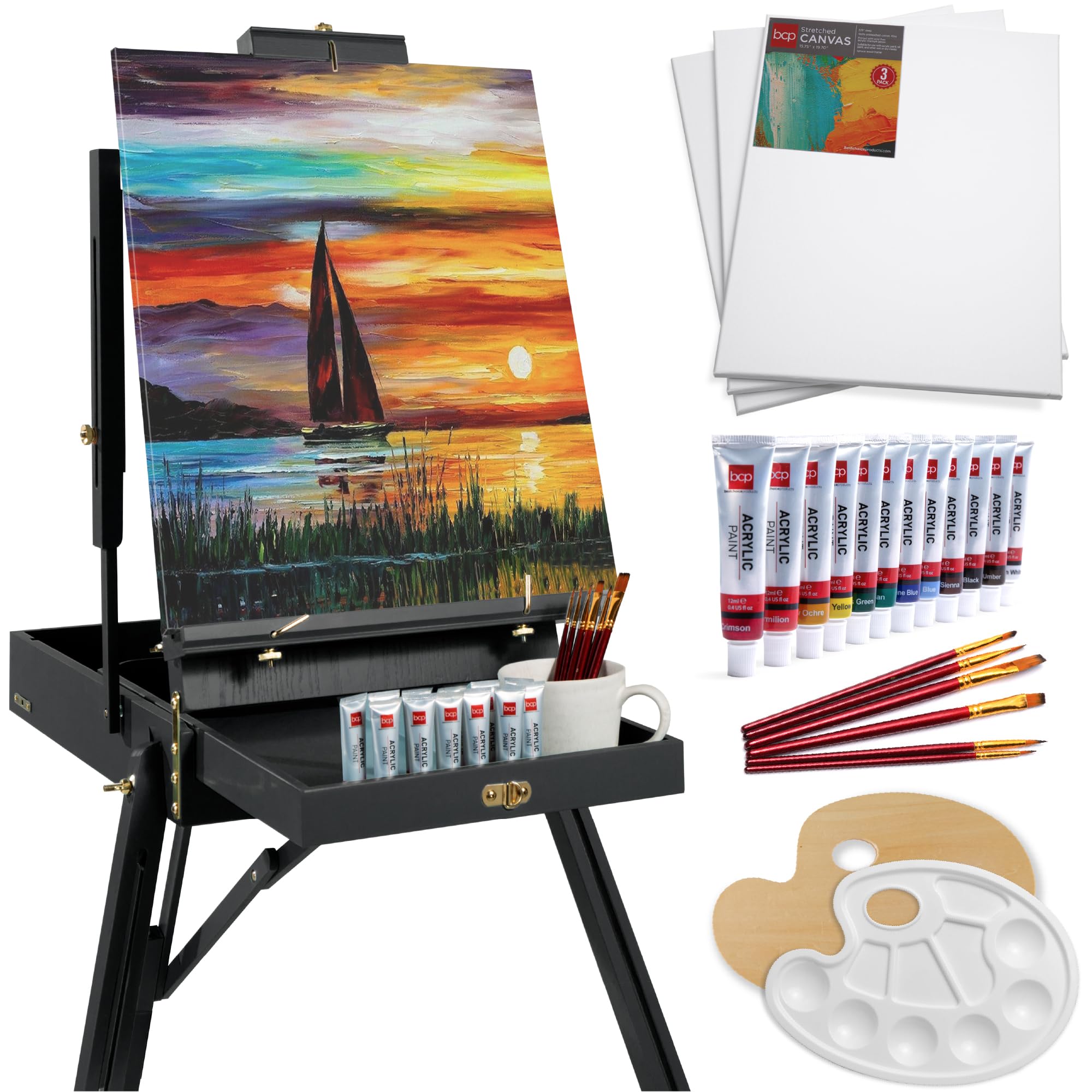
- The set includes brushes, canvas panels, acrylic paints, and palettes.
- The easel adjusts for painting at different heights and angles.
- It folds for carrying and includes internal storage and a shoulder strap.
Best Gift For: An aspiring artist painting at home or while traveling.
10X Rectangle Magnifying Glass with Light and Clamp
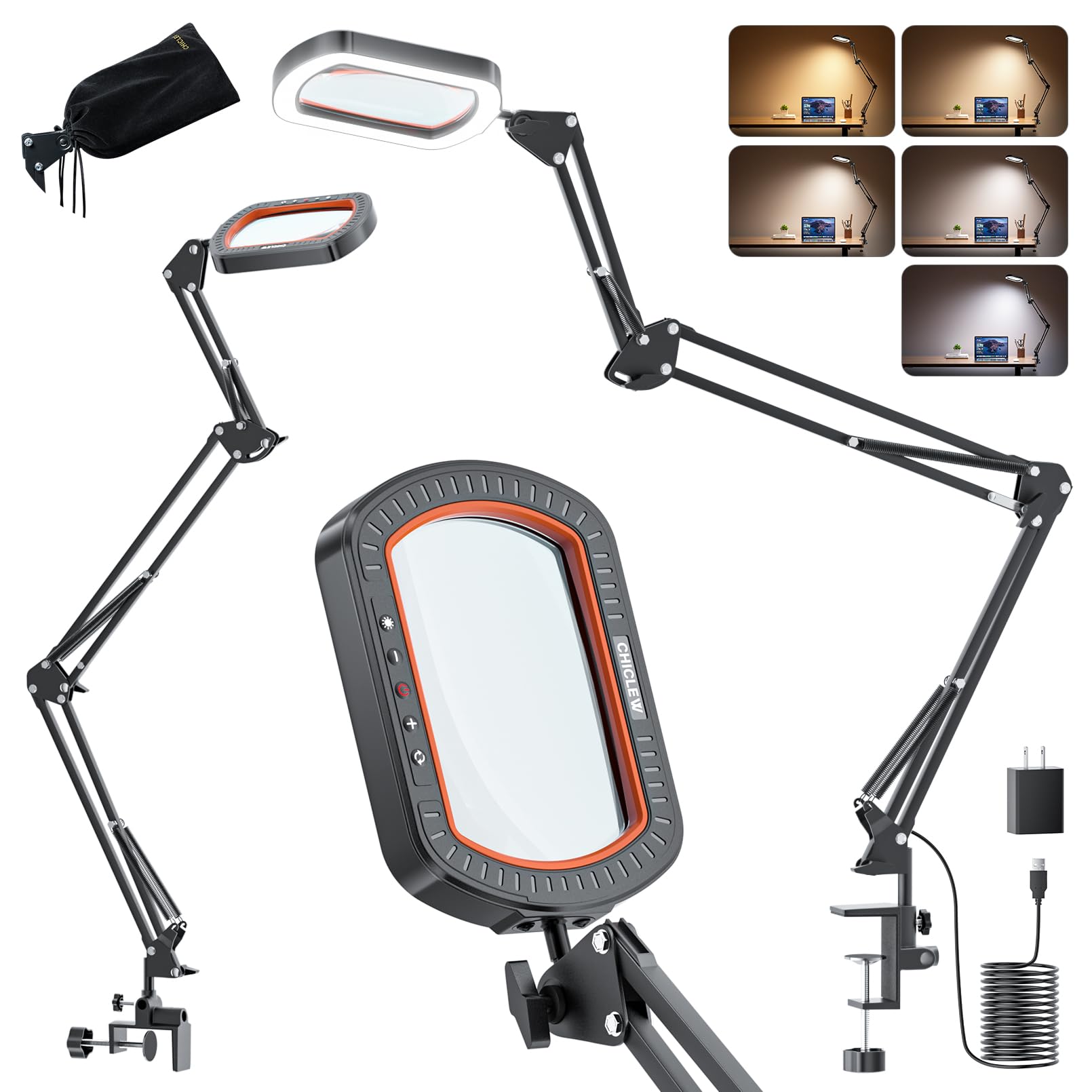
- The magnifier has a rectangular glass lens.
- Three arms provide adjustable positioning over a desk.
- The lamp offers five color modes and smooth brightness control.
Best Gift For: A designer who reads small print or works on intricate close-up tasks.
Clever Fox Planner PRO Light, Undated Weekly Planner

- The planner has monthly, weekly, and daily agenda layouts.
- Its undated format can be started at any time of year.
- It comes with a step-by-step guide and planning stickers.
Best Gift For: A designer who wants to organize goals and schedule work across monthly and weekly plans.
Cross Classic Century 23KT Gold Plated Ballpoint Pen

- The ballpoint pen has a slim profile and metal body.
- It uses a swivel-action mechanism.
- It arrives in a premium gift box.
Best Gift For: A designer who would appreciate a refillable pen for everyday notes or journaling.
Choosing gifts for designers around their work style
Start with how the person actually works. A designer who spends most of the week at a home workstation may welcome a more permanent desk upgrade, while someone who fills margins with ideas could make better use of sketchbooks, pens, or a portable drawing surface.
Think about where their creative time happens before choosing a scale of gift.
Consider what they already use and what they enjoy exploring. A person who sketches daily may appreciate paper they can use freely; someone experimenting with color might enjoy a new medium.
For gifts for designers, a useful addition to a familiar routine can feel more personal than a novelty that asks them to change how they work.
If you are unsure, look for a flexible choice that fits several creative habits. Paper, a planning tool, or a well-presented writing instrument can support notes and ideas without requiring a particular specialty.
For larger workspace gifts, quietly checking the recipient’s setup can help avoid a mismatch in room, desk, or equipment needs.
Balancing budget and usefulness
Set a comfortable spending range before narrowing the options. Small supplies can make thoughtful gifts when they match a real habit, while larger studio pieces call for more confidence about the recipient’s space and preferences.
The price alone does not tell you whether a gift will be used; fit and timing matter as much.
For gifts for designers, weigh how often the item could support their day. A tool for everyday sketching or planning may see regular use, while specialty paint or an easel may be most welcome to someone already interested in those activities.
Consider whether the gift stands on its own or works best alongside supplies they have.
Check actual prices before ordering, since they can change. For workspace items, confirm dimensions against the recipient’s available room and existing setup.
For art materials, consider whether they have suitable paper or other compatible supplies. Those quick checks can keep a generous idea practical without making the gift feel like a work assignment.
Personal touches for gifts for designers
A useful creative gift can feel more thoughtful when you connect it to the person’s tastes. Choose a color direction they already use, pair a practical tool with a short note about a project they mentioned, or select a notebook for the way they capture ideas.
A small detail shows that you noticed their habits.
Presentation can suit the gift’s purpose. Wrap desk pieces simply and include a card suggesting where you imagine they might use them; for portable materials, use a reusable bag or protective sleeve if you already have one.
Keep the message warm and specific, without implying that the recipient needs to be more productive or creative.
If you are uncertain about their professional tools, avoid treating a gift as a replacement for equipment they chose carefully. A supporting item for sketching, note-taking, or organizing work may be easier to personalize.
When appropriate, include a gift receipt so they can adjust the choice to their own preferences.
Make a creative gift easy to use
A gift is easier to enjoy when it fits into the recipient’s routine. Think about whether they like to carry supplies, keep a dedicated studio, or work in short sessions between other responsibilities.
A portable choice can suit someone who moves around, while a larger item makes more sense when you know they have a place for it.
Consider the practical details before buying. Check current product details, compatibility with supplies they already own, and the dimensions of anything that needs a dedicated surface or storage.
If a choice depends on a particular app or device, verify that it works with what the recipient uses. These checks are especially helpful when you are buying from a distance.
You can make a useful gift feel personal with a brief note explaining why it made you think of them. Mention a class, project, or creative habit they shared, then leave room for them to use it in their own way.
A thoughtful choice supports their interests without dictating what they should make.
Last-minute planning for a creative gift
When time is short, narrow the options by what you know for certain: their favorite way to sketch, their current workspace, or a routine they have mentioned. A familiar kind of supply can be a safer choice than a large piece of equipment chosen without checking fit.
Keep the recipient’s preferences at the center.
Before placing an order, review the current delivery estimate and return details. Delivery timing can vary, so make a backup plan if the date matters: a handwritten card explaining the gift, a small related supply you can give in person, or a planned outing to choose together.
Avoid promising an arrival date until you have checked the current estimate.
A digital or printed note can also make a considered gift feel complete if the item will arrive later. Explain what led you to choose it and let the person know there is flexibility if the fit is not right.
That simple gesture keeps the focus on their creative interests and the care behind the gift.